Corporate Compliance in Surat: Essential Tips for Business Owners
Author
tax_expert
Published on
Blog Categories
Corporate Compliance
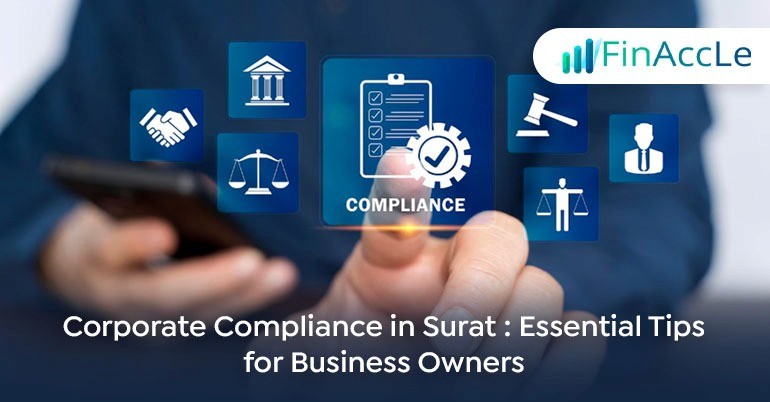
Running a business successfully is not just about sales and profits — it also requires staying legally compliant. Corporate compliance ensures that your company adheres to all applicable laws, regulations, and industry standards governing its operations.
For business owners in Surat, compliance is particularly important due to the city's rapid growth as a commercial hub, with industries such as textiles, diamonds, manufacturing, and startups expanding rapidly. As businesses grow, so do regulatory responsibilities.
If you ignore compliance, you risk penalties, legal disputes, financial losses, and even business closure. But the good news is that with the right approach, compliance can be simple and manageable.
This guide explains corporate compliance in easy language, along with practical tips every business owner should know.
What Is Corporate Compliance?
Corporate compliance means following the rules set by government authorities and regulatory bodies for running a business legally.
This includes:
Company registration requirements
Tax filings and payments
Labor law compliance
Financial reporting
Licenses and permits
Industry-specific regulations
Compliance protects both the business and its stakeholders.
What Is Corporate Compliance Service?
Corporate compliance services provide professional support to help businesses meet their legal and regulatory obligations without the stress of managing everything in-house.
Professional Compliance Services Include:
Registration & Licensing Support
Business setup (Proprietorship, Partnership, LLP, Pvt Ltd)
GST registration and amendments
Professional Tax registration
Trade licenses and industry permits
MSME/Udyam registration
Ongoing Compliance Management
Monthly GST return filing
TDS calculation and deposits
Income tax return preparation
PF and ESI compliance
Annual ROC filings (AOC-4, MGT-7)
Advisory & Planning
Tax planning strategies
Compliance calendar management
Regulatory update alerts
Internal audit support
Risk assessment
Why Businesses Choose Professional Compliance Services:
Expertise in complex regulations
Time savings (focus on business, not paperwork)
Reduced penalty risks
Proactive compliance monitoring
Cost-effective vs. full-time compliance staff
Need help managing your compliance workload? Our corporate compliance services in Surat handle everything from registration to annual filings—so you can focus on growing your business.
Why Corporate Compliance Is Important for Business Owners
Many small business owners think compliance only matters for large corporations. That’s not true.
Compliance is important because it:
Prevents legal penalties and fines
Builds trust with customers and investors
Improves business reputation
Ensures smooth operations
Helps secure loans and funding
Reduces risk of legal disputes
A compliant business is seen as more professional and reliable.
Common Compliance Requirements for Businesses
Here are some typical compliance areas business owners should focus on:
1. Business Registration and Licensing
Every business must be properly registered according to its structure:
Proprietorship
Partnership
LLP
You also need local licenses depending on your industry.
2. Tax Compliance
Taxes are one of the most important compliance areas.
This includes:
GST registration and filing
Income tax returns
TDS payments
Professional tax (if applicable)
Late filings can lead to heavy penalties and interest charges.
3. Financial Record Keeping
Maintaining accurate financial records is essential.
You should track:
Income and expenses
Profit & loss statements
Balance sheets
Invoices and receipts
Good bookkeeping helps in audits, tax filings, and financial planning.
If managing compliance feels overwhelming, consider consulting a professional accountant or compliance expert. The right guidance can save you time, money, and future legal trouble while helping your business grow confidently.
4. Labor Law Compliance
If you employ staff, you must follow labor regulations such as:
Employment agreements
Minimum wages
Employee benefits
Provident Fund (PF)
Employee State Insurance (ESI)
Ignoring labor laws can lead to serious legal consequences.
5. Annual Filings and Reporting
Registered companies must submit annual documents to the authorities.
These may include:
Annual returns
Financial statements
Director reports
Compliance certificates
Missing deadlines can result in penalties or company status issues.
Biggest Compliance Mistakes Business Owners Make
Many businesses struggle with Corporate Compliance because of avoidable mistakes:
Some frequent errors include:
Ignoring compliance deadlines
Mixing personal and business finances
Not maintaining proper records
Delaying tax payments
Missing licenses
Assuming compliance is only needed once
Compliance is not a one-time task — it’s an ongoing responsibility.
How to Simplify Corporate Compliance
Compliance doesn’t have to be complicated. Here are practical tips:
1. Create a Compliance Calendar
Track deadlines for:
Tax filings
License renewals
Annual submissions
Reminders help prevent missed deadlines.
2. Use Modern Accounting Software
Modern tools can automate:
Invoicing
Expense tracking
Tax calculations
Financial reports
Automation reduces errors and saves time.
3. Hire Professionals When Needed
Chartered accountants, company secretaries, and legal advisors can ensure your business stays compliant.
A reliable corporate compliance service can guide you during:
Business registration
Tax planning
Audits
Expansion
4. Stay Updated With Regulations
Laws change frequently. Business owners should:
Follow regulatory updates
Attend webinars
Consult professionals
Being informed reduces risk.
Benefits of Staying Fully Compliant
Businesses that prioritize compliance enjoy long-term advantages:
Easier funding opportunities
Better brand reputation
Lower legal risks
Improved financial management
Business continuity and stability
Compliance is not just a legal requirement — it’s a strategic advantage.
Final Thoughts
Corporate compliance may seem complicated at first, but it becomes manageable once you understand the requirements and create a system.
For business owners, staying compliant means protecting your hard work, avoiding penalties, and building a trustworthy brand. Whether you run a startup, small business, or established company, compliance should always be a priority.
Want to keep your business safe and legally secure? Start reviewing your compliance today, organize your documents, and seek professional guidance when needed. A compliant business is a successful business.
FAQs:
What are the new corporate compliance requirements in 2026?
Ans: In 2026, updates mainly focus on digital filings, stricter GST monitoring, e-invoicing expansion, labor code implementation, and data protection compliance requirements.
How much does corporate compliance cost for small businesses in Surat?
Ans: Costs typically range from ₹10,000 to ₹50,000 per year, depending on business structure, filings required, and whether you use professional corporate compliance services.
What happens if I don't comply with corporate regulations?
Ans: You may face penalties, interest charges, legal notices, business restrictions, or even company closure in serious cases.
Is GST registration mandatory for all businesses in Surat?
Ans: GST is mandatory if your turnover crosses the prescribed threshold or if you operate interstate, sell online, or fall under specific categories.
What is the corporate compliance 2026 calendar for Surat businesses?
Ans: It includes monthly GST returns, quarterly TDS filings, annual ROC filings, income tax returns, PF/ESI payments, and license renewals.
Do startups need to follow corporate compliance in Surat?
Ans: Yes. Startups must follow the same compliance rules based on their business structure and industry regulations.
What is the penalty for late ROC filing in 2026?
Ans: Late ROC filing penalties can range from ₹100 per day to significant fines depending on the delay and filing type.
How do I know if my business is fully compliant?
Ans: You are compliant if all registrations, tax filings, labor laws, and annual filings are completed accurately and on time.
Can I handle corporate compliance myself or do I need a CA?
Ans: Small businesses can manage basic compliance themselves, but hiring a CA or professional corporate compliance service reduces risks and errors.
What is ESG compliance and does it apply to my Surat business?
Ans: ESG (Environmental, Social, Governance) compliance mainly applies to larger companies, but smaller businesses may adopt it for investor trust and sustainability goals.
How does the Digital Personal Data Protection Act 2026 affect my business?
Ans: If you collect customer data, you must protect it, obtain consent, and follow privacy rules to avoid penalties.
What is the new e-invoicing threshold for 2026?
Ans: The government continues to lower thresholds gradually, so more mid-size businesses are expected to fall under mandatory e-invoicing requirements.
How do new labor codes 2026 impact payroll compliance?
Ans: They standardize wages, working hours, and social security benefits, requiring businesses to update payroll systems and HR policies.
Where can I find a reliable corporate compliance service in Surat?
Ans: Look for experienced firms with CA/CS professionals, strong client reviews, transparent pricing, and expertise in local regulations.